
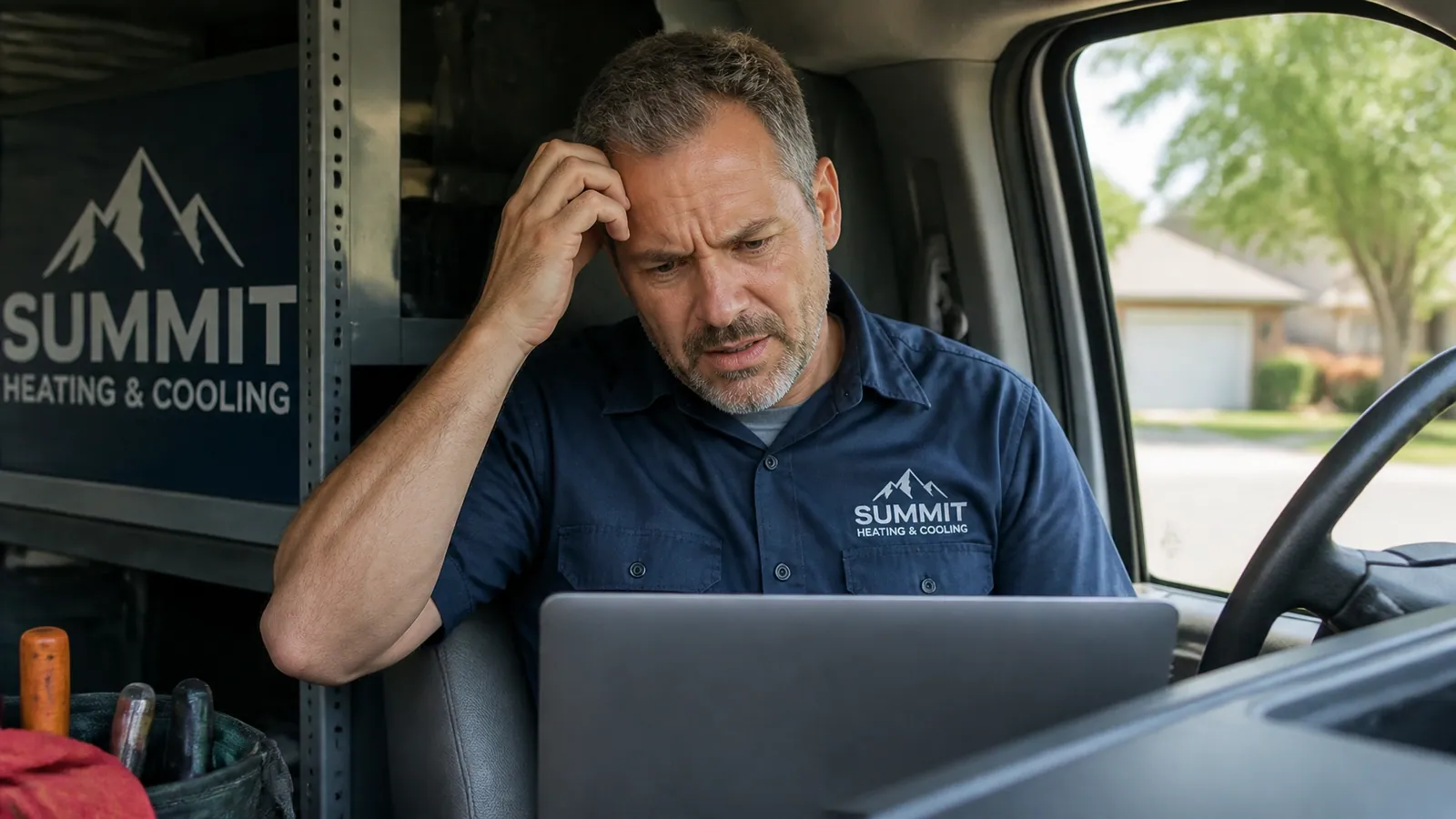
If your website isn't bringing in new customers, it’s usually because you’re making it too hard for them to hire you. To fix your lead generation, you need to stop being vague about what you do, make your site load faster than a cold beer disappears on a Friday, and put a big "Contact Us" button where even a caffeinated toddler could find it.
Most service-based small businesses treat their website like a digital brochure they printed in 2004 and tucked into a drawer. But your website isn't a static piece of paper; it’s your 24/7 salesperson. If that salesperson is stuttering, wearing a mask, or hiding in the closet, you aren't going to close many deals.
Let’s look at the biggest mistakes that are currently scaring your potential clients away.
1. The "Mystery Man" Hero Section
You’ve seen these websites. You land on the homepage and the first thing you see is a giant photo of a sunset with text that says, "Driving Excellence Through Innovation."
Great. Are you a life coach? A trucking company? A guy who fixes high-end blenders? Nobody knows.
When a homeowner’s basement is flooding at 2:00 AM, they don't care about your "commitment to excellence." They want to know if you are a plumber, if you’re nearby, and how to call you.
Your "hero" section (the very top of your site) needs to answer three questions in five seconds:
- What do you do? (e.g., "Emergency Plumbing & Drain Cleaning")
- Who do you do it for? (e.g., "Serving the Greater Houston Area")
- What should they do next? (e.g., "Call Now for a Free Quote")
If you try to be clever, you lose. Be clear instead. Custom web design isn't about looking like an art gallery; it’s about making sure the right people know they’re in the right place.
2. Using "Plastic" Stock Photos
Nothing says "I might be a scam or a giant faceless corporation" like a photo of four people in crisp white shirts pointing at a generic graph.
If you are a local commercial painter, show me a photo of you on a ladder with paint on your pants. If you’re a carpenter, show me the sawdust.
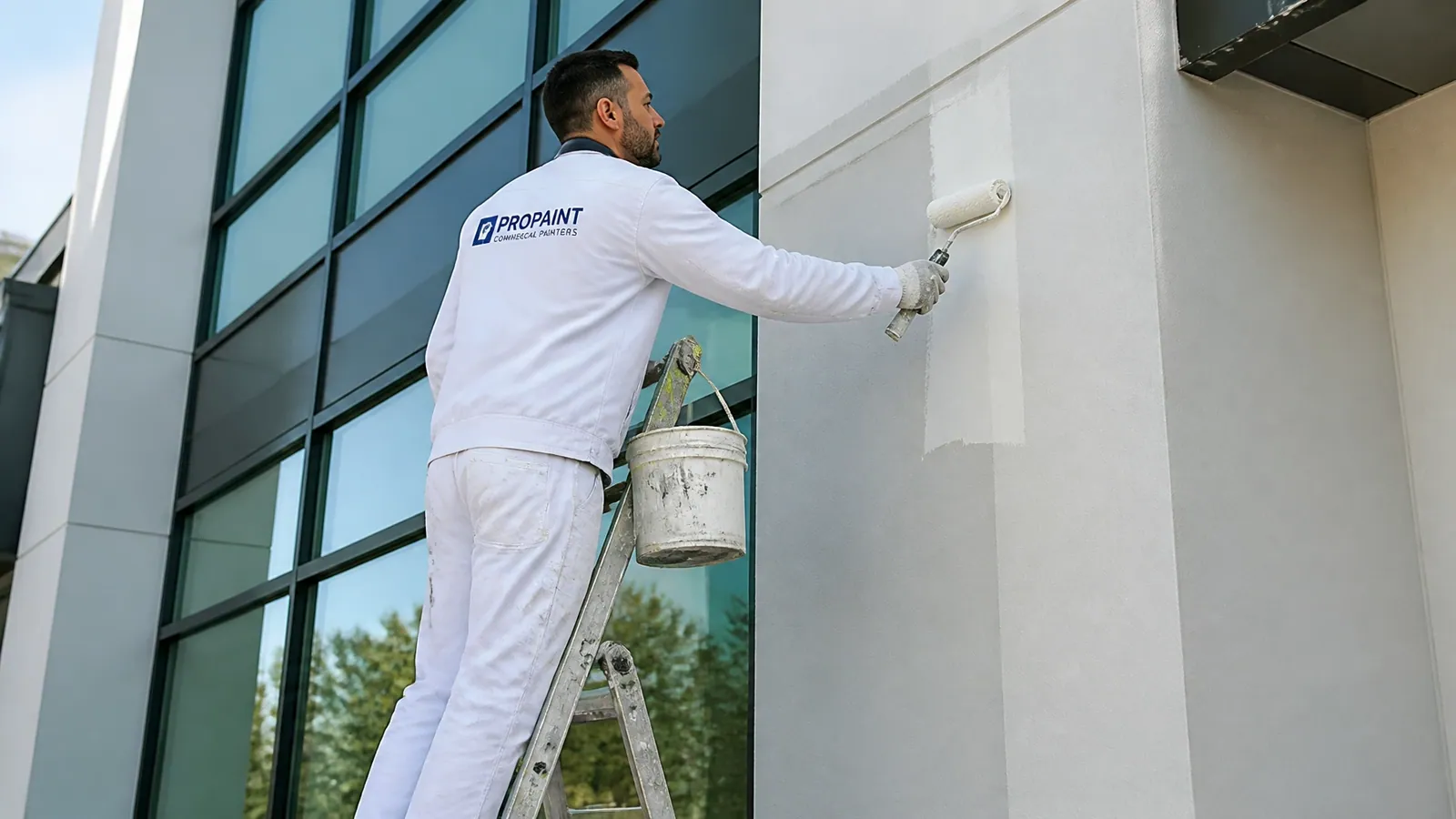
Real photos of your team, your trucks, and your actual work build a level of trust that stock photos can’t touch. People buy from people, especially when those people are coming into their homes or businesses. When you use generic images, you’re basically telling the customer that you don’t have any actual work to show off.
3. The "Infinite Form" of Doom
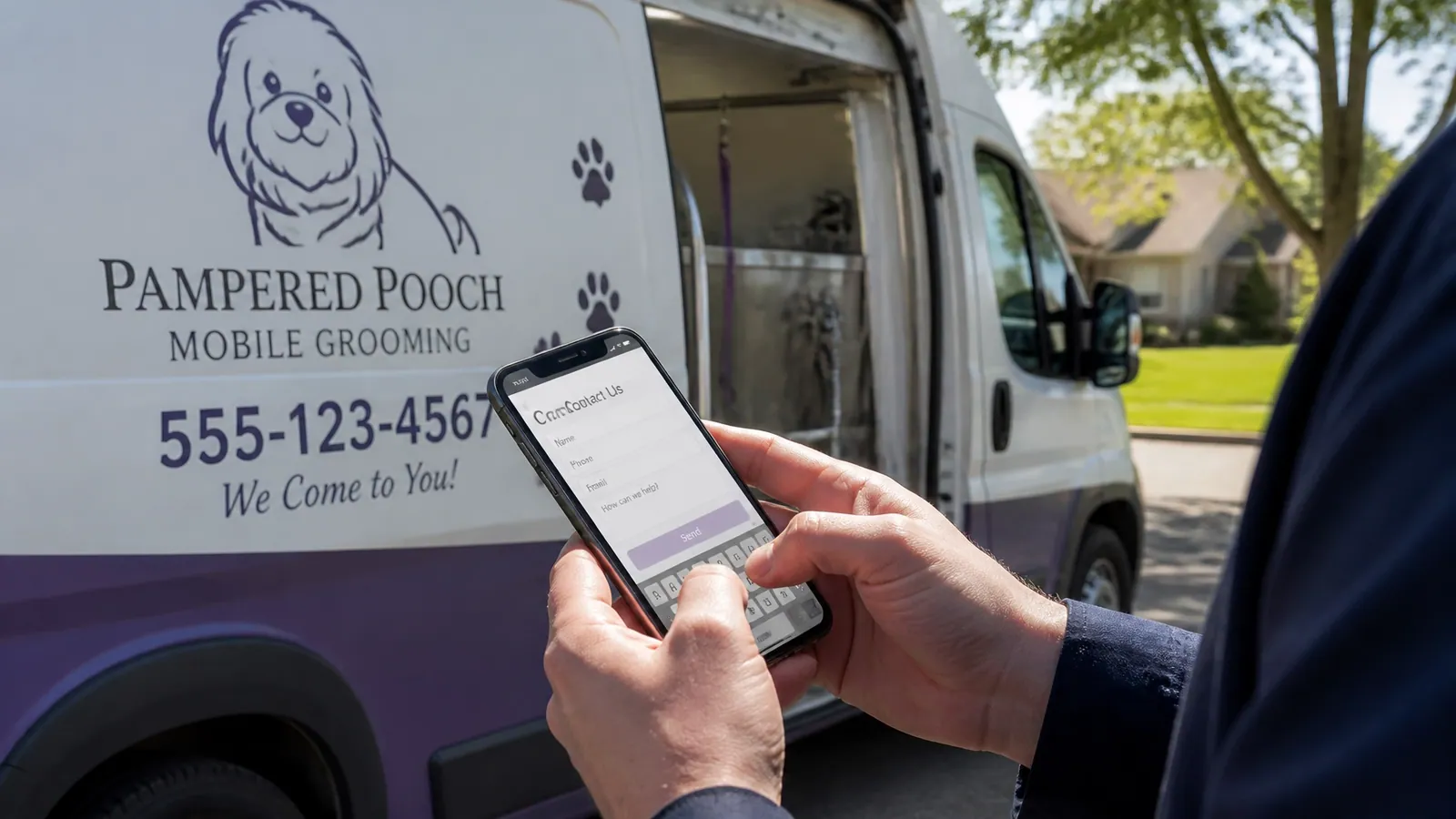
We’ve all been there. You just want a quick quote on a fence repair, and the website asks for your name, email, phone number, physical address, mother’s maiden name, and a 500-word essay on why you chose wood over vinyl.
Every extra field you add to your contact form is another reason for a lead to close the tab.
Keep it simple. You usually only need a name, a phone number or email, and a brief description of what they need. You can get the rest of the details once you’re on the phone with them. If your site is missing leads, check your forms. Are you asking for a first date or a marriage proposal?
4. Tools That Make the Design Process Less Sucky
If you're in the middle of a redesign or building a new site, the feedback loop can be a nightmare. You send an email saying, "Can you move that blue thing up a bit?" and your designer has no idea what "blue thing" you’re talking about.
To avoid this, look for designers who use feedback tools. It saves everyone a massive headache and keeps the project moving so you can actually start getting leads.
Here are a few tools that help:
- PROOF (proofapp.io) : Built for freelance designers and small agencies. Your designer sends you a link, and you click anywhere on the website screenshot to leave a comment. No login required, captures desktop and mobile automatically.
- Markup.io : A visual feedback tool that lets you drop pins and leave comments directly on live websites or image files.
- BugHerd : A more technical tool often used by developers to track specific bugs and layout issues during the final stages of a build.
Using these tools ensures that the "biggest pitfalls" are caught before the site even goes live.
5. Slow Loading Speeds (The Silent Killer)
If your website takes more than three seconds to load, you might as well just set your marketing budget on fire.
People are impatient. If they click your ad or find you on Google and then have to stare at a blank white screen while your 15MB photo of a wrench loads, they’re gone. They’ll go back to the search results and click on your competitor whose site actually works.
Common speed killers include:
- Gigantic, unoptimized images.
- Cheap, $5-a-month "bargain" hosting.
- Too many "cool" animations that serve no purpose.
- Bloated website builders that add thousands of lines of junk code.
Check your site on a mobile phone using a standard 4G connection. If it feels slow to you, it feels like an eternity to a customer in a hurry.
6. Hiding Your Proof
For service businesses, trust is the currency. If I’m hiring a counselor or a commercial construction crew, I want to know that other people have hired them and didn't regret it.
A common pitfall is burying your testimonials on a page titled "What People Say" that nobody ever clicks. Your proof should be everywhere.
- Put a testimonial right under your hero section.
- Put a "Before and After" gallery on your service pages.
- Show off those Google Review stars.
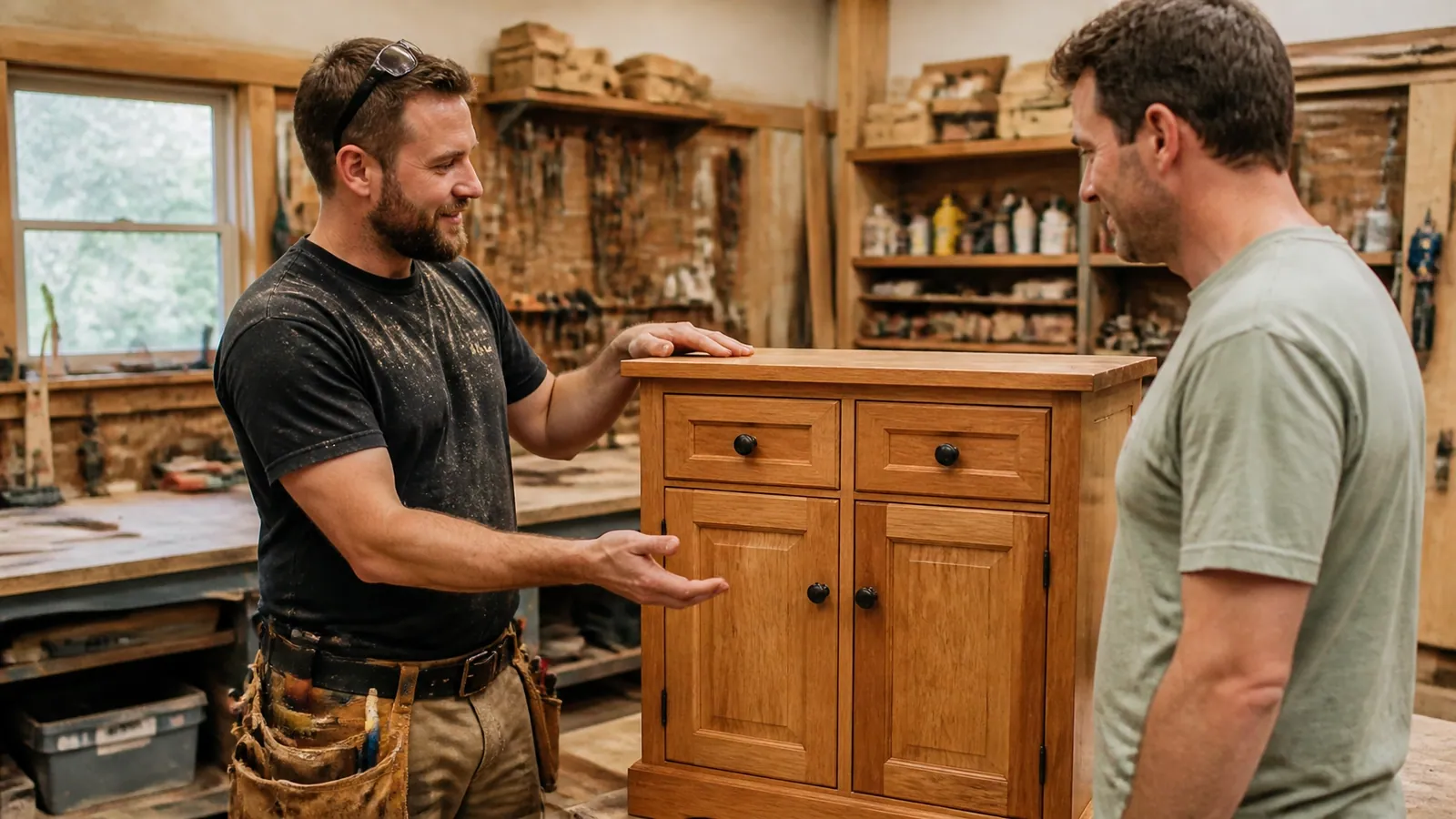
When you show a real human being satisfied with your work, you’re answering the customer’s biggest unspoken question: "Are these guys going to rip me off?"
7. The "Set It and Forget It" Trap
The internet changes. Google changes. Your business probably changes, too. If you haven't updated your website content, added new photos, or checked your links in two years, your lead generation is going to stall.
A website needs regular maintenance. Links break, plugins get outdated and vulnerable to hackers, and your "2022 Special" looks pretty silly in 2026. If you don't have the time to manage this yourself: and let's be honest, you're busy running a business: look into flexible monthly maintenance plans. It’s cheaper than losing even one big contract because your "Contact Us" page was broken.
Summary
Building a website that actually makes money isn't about winning design awards. It’s about being the easiest, fastest, and most trustworthy option for your customer. Fix your headlines, kill the stock photos, shorten your forms, and make sure the thing actually loads on a phone.
Building or rebuilding your small business website? CFGroove helps service-based businesses launch sites without the chaos.